 Black Lives Matter
 LGBTQ

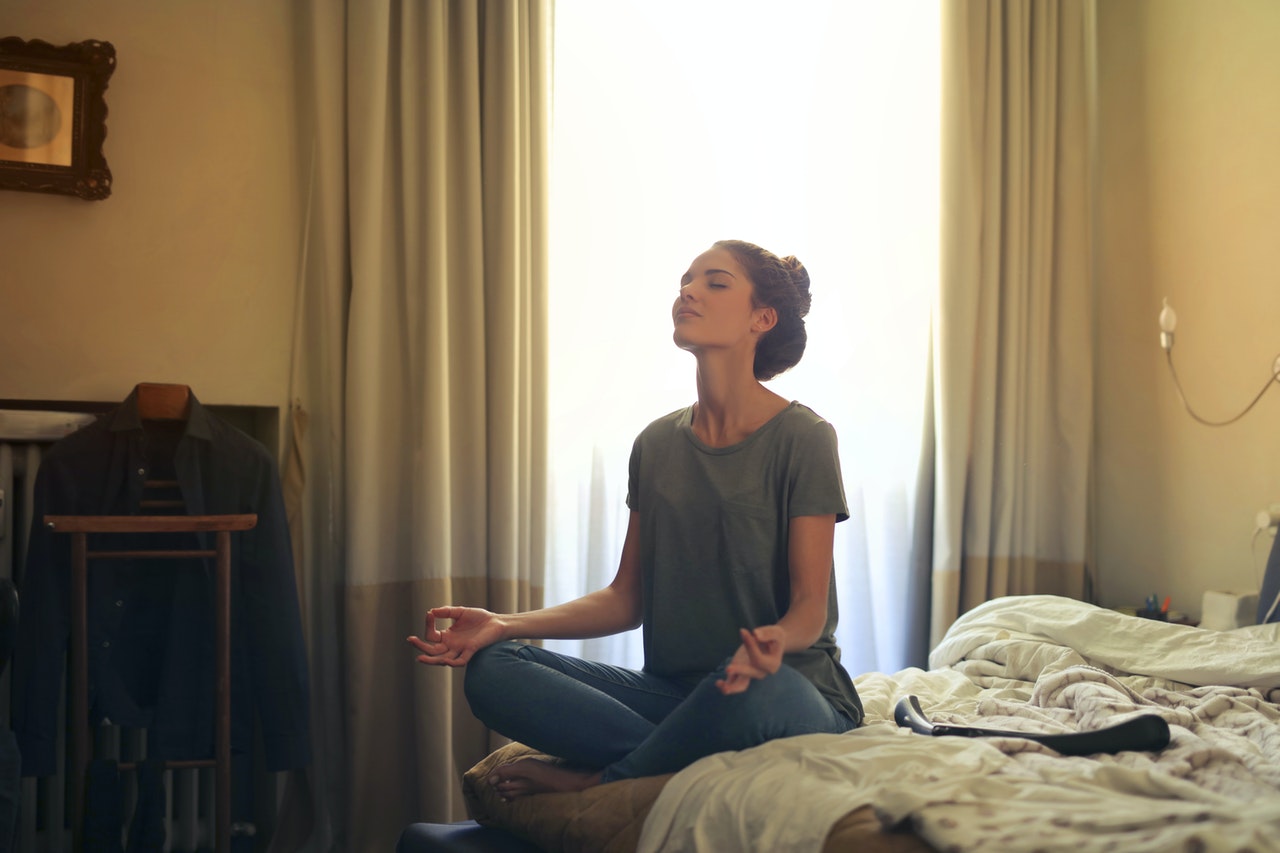
“Until you’ve survived Covid-19, the concept of ‘Just Breathe’ is something many people will never understand.” This is a statement from a nurse on the frontline who ended up being a patient herself after having contracted the Coronavirus six months ago. Even now, she still has underlying conditions as a result of the infection. It not only causes her anxiety, but her loved ones too. With the rest of her family having to return to work, it is understandable that stress levels have exponentially increased all around. One way they, as a cohesive unit, have countered this is to incorporate meditative breathing into their daily routines. Controlled breathing is not only beneficial to deal with a myriad of physical and psychological conditions, it also plays a fundamental role in recovering from Covid-19 according to this article by Hopkins Medicine.
Even though meditative breathing has its roots in Buddhism, it can be practiced by people from all walks of life, irrespective of their race, religion, culture, gender, and sexual orientation. After all, everyone needs a safe outlet for stress, especially in the unprecedented times in which we are living.
With the constant distractions that flow into our daily lives, it can be difficult to quiet your mind, even for as little as five minutes a day. When starting out, it might be useful to download a breathing or meditation app. Find a quiet space and actively focus on being in the moment. As you become more adept at meditative breathing, you can extend the timeframe of your session. Training your subconscious mind to focus on a single aspect will improve your ability to deal with that subject, improving your overall health because your brain power controls every facet of a healthy body, from thoughts to food choices, to digestion, to breathing.
The benefits of controlled breathing are extensive, but to name a few:
Heart rate and blood pressure levels are lowered, which in turn assists with the management of stress. Essential workers who follow a daily meditation routine have also reported being able to cope with the onslaught of additional demands with which they are faced.
Some physicians who follow a holistic approach in their therapy regimen may recommend controlled breathing to patients that have diabetes or illnesses that result in chronic pain. Psychologically, focused meditation breathing has also been associated with the reduction of anxiety and depression, in association with counselling, and where required, medication. Practicing meditative breathing before bed is also known to improve the quality of sleep; proper rest is crucial to healthy mental health.
The wonderful thing about meditative breathing is that it allows you to focus on whatever you like – it could be finding a solution to a work-related problem, centering yourself to be in the present, or as Buddha originally intended for his followers, to reach spiritual enlightenment.


Leave a Comments