 Black Lives Matter
 LGBTQ

The saying is that many a true word is spoken in jest. Just this morning, a family member shared this meme with me, and I found myself thinking how incredibly true this is right now – to me, and probably many others too.
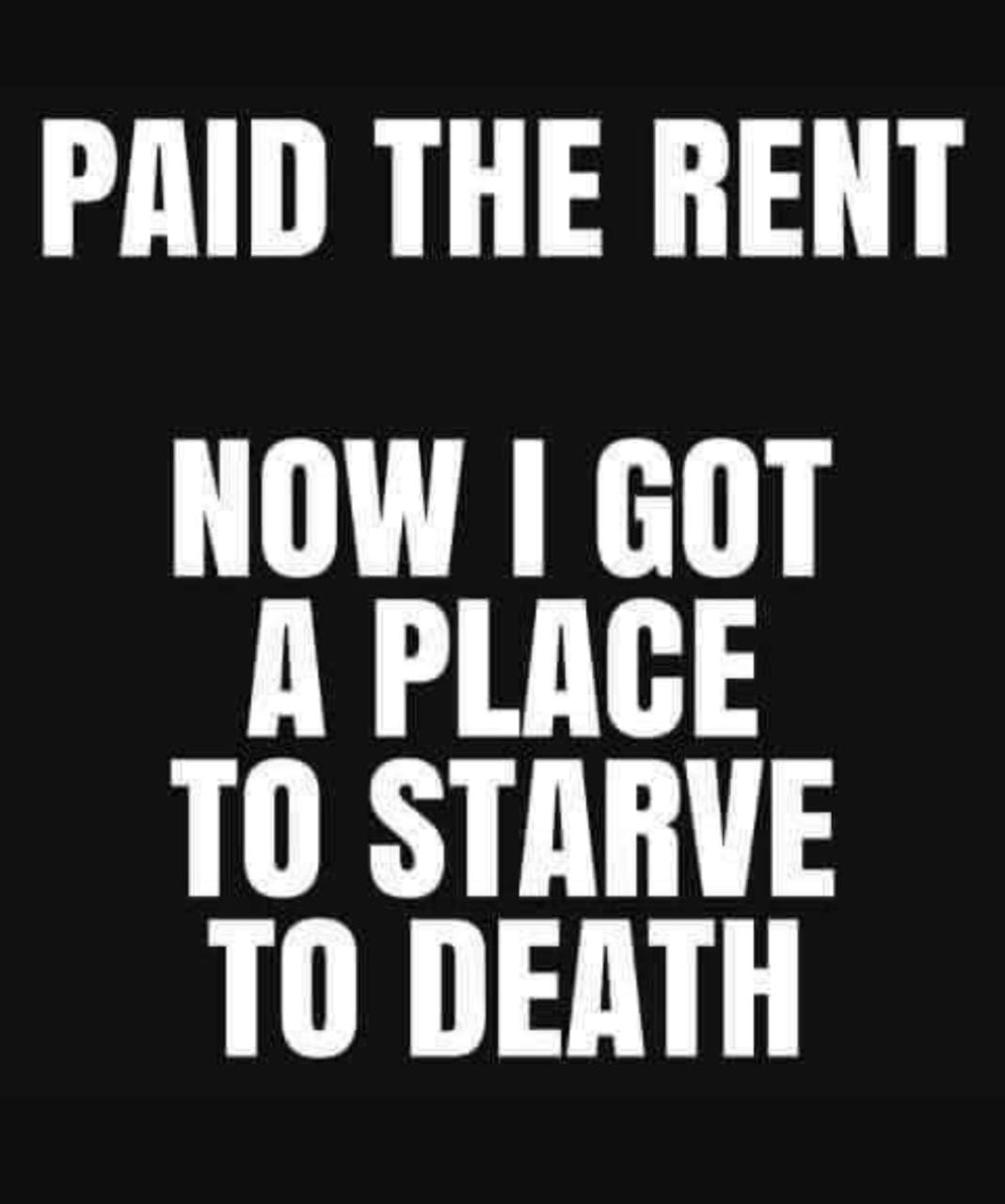
Depending on who you believe in the media, South Africa is either only entering-, or already in a third Coronavirus wave. Many people have reached a point where they couldn’t be bothered to adhere to the safety regulations, because even though not wearing a mask is subject to a fine or even a short prison stint, law enforcement does nothing to impose the regulations. After all, there are more pressing matters to attend to, like, among other things, the rising number of cases of gender-based violence, farm murders, and of course, State Capture.
I have got to a point where I don’t listen to the news anymore because I find myself getting riled up – about things that I can’t change. It only adds to my anxiety levels, which are already high because of other external stressors which I must deal with daily, financial survival being at the top of my (personal) list. Just the other day my mobile phone fell out of my back pocket, landing in the toilet. The cost to repair it was R850 (£43). Just as I managed to scrape those extra cents together, the car’s battery gave out, which was another R1140 (£58). If it were not for some freelance writing work, I don’t know what I would do; constant rising costs have meant that I (like many other South Africans) have depleted our credit reserves and we cannot save because there is simply too much month at the end of the pay cheque. How much worse is it for those who are not gainfully employed?
Many South African employers believe that if an employee is not at the office, they’re not working. In a world where logging in remotely has become the norm, we are still on African time. With the cost of living having risen considerably since the beginning of the Coronavirus lockdown on March 27th last year, it makes sense to have staff work from home to save on various expenses, the largest one being fuel. Having at least one parent working remotely also allows for children to return home instead of going to aftercare; this reduces their risk of exposure to Covid-19.
The increased pressures of having to perform better at work for (sometimes reduced) remuneration or take on additional work due to layoffs along with running a household, and staying healthy, has resulted in an increasing number of people presenting with signs of depression and anxiety. Some (larger) corporations do have an Employee Assistance Programme (EPA) in place, which assists their employees with counselling to deal with the stresses, but these are in the minority.
I’ve spoken to a few people who say their companies for whom they work expect their employees to suck it up because they know there are thousands of people looking for employment, and who are likely to work for less than what they’re paying their employee currently. So the cycle of exploitation continues, to keep your job you need to work harder, take on more responsibility, try and make ends meet with either the same (or reduced) salary, while the cost of basic items rise on almost a weekly basis. I somehow don’t think that this problem is unique to South Africa though.
Where I do believe South Africa does differ is that the majority of the population has the mentality that the state will look after them by means of grants, which is like the dole in the UK. What they fail to realize is that no person can live for an entire month on the amount they receive, which varies from R290 (£14,65) for children under the age of fifteen, to R350 (£17.70) (for every person that is now unemployed) to roughly R1860 (£94.47) for a disabled child, which is even more than the old age pension of R1780 (£89.92). There is very little being done by the state as far as social development is concerned, so as the survival noose becomes tighter, some people resort to crime simply to feed their families. Some prisoners that are paroled reoffend so that they can return to jail because at least they have a bed in which to sleep and food to eat. It sounds ridiculous, but the truth is stranger than fiction.
The speculation by those in the know is that South Africa is not going to see any real economic recovery within the next three to five years, so the outlook is grim. What happens globally will depend on global politics, which (thankfully) seem to be less absurd than they were pre-November last year.
The only hope is that a cure is found for this modern-day plague, seeing that just as vaccines are rolled out, a newly evolved strain makes its appearance. Until then, we are likely to see more poverty, strife and deaths. The only thing that we can do as individuals is remain hopeful and share what little we have, because, even though we’re not all in the same boat, we most certainly are weathering the same storm.

Priscilla is a regular 40-something South African with extensive qualifications in Import and Export management and is currently employed as a Marketing Assistant for the largest producer of ostrich leather in the world. She also possesses certification in the fields of proofreading and copy-editing. Her biggest aspiration is to one day travel far and wide and share her stories.
All photos contained within this blog are Priscilla’s own, unless otherwise specified, and may not be used without prior permission.


Leave a Comments